As winter approaches, homeowners must shift their focus toward maintaining the structural integrity and internal safety of their properties. While the season often evokes thoughts of comfort and indoor gatherings, the reality of freezing temperatures and heavy precipitation necessitates a more serious approach to property management. Preparing your home for the cold is a fundamental part of winter safety. A confident and proactive approach to home maintenance allows you to address potential vulnerabilities before they escalate into emergencies.
Indoor Winter Safety Protocols for Heating and Air Quality
One of the most significant risks during the winter months is the increased potential for house fires and poor indoor air quality. As the outside air cools, heating systems operate at maximum capacity, which could strain older equipment or reveal hidden faults. Have your heating system inspected annually by a qualified professional to guarantee it operates efficiently and safely. Beyond the central heating system, many homeowners rely on supplemental heat sources such as space heaters or wood-burning stoves. These devices require strict adherence to safety protocols. You must maintain a clearance of at least three feet between any heater and flammable items. Never leave a space heater unattended or running while you are asleep.
Indoor air quality is equally important during the winter when homes are sealed tightly against the cold. This lack of ventilation could lead to a dangerous accumulation of carbon monoxide if fuel-burning appliances are not venting correctly. Functional detectors are your only reliable defense. You should test these alarms monthly and replace the batteries at least once a year. If an alarm sounds, you should evacuate the premises immediately and contact emergency services.
Enhancing Winter Safety Through Exterior Maintenance
The exterior of your home is the first line of defense against snow, ice, and wind. Neglecting outdoor maintenance could lead to structural failures that are both dangerous and expensive to repair. One of the primary concerns for homeowners in cold climates is the development of ice dams. These occur when heat escapes through the roof, melting the bottom layer of snow, which then refreezes at the colder eaves. This ice barrier prevents melting snow from draining, forcing water under the shingles and into your home’s interior walls. To prevent this, you must ensure your attic is properly insulated and that your gutters are cleared of all debris.
Trees also pose a significant risk during winter storms. The weight of heavy, wet snow or a thick coating of ice could cause large branches to snap, potentially falling on your roof, vehicles, or power lines. Inspect your property for any dead or overhanging limbs and have them professionally trimmed. Furthermore, guarantee that your exterior lighting is fully functional. With shorter daylight hours and slick walkways, having a well-lit path is crucial for preventing falls.
Protecting Your Plumbing from Freezing Temperatures
Frozen pipes are a common and highly destructive winter occurrence. When water freezes inside a pipe, it expands, creating pressure that could cause the pipe to burst, leading to flooding once the ice thaws. To prevent this, you should insulate pipes in unheated areas of the home, such as the attic, garage, or crawl space. During periods of extreme cold, it is often helpful to allow a very thin trickle of water to run from faucets served by exposed pipes. Furthermore, you should maintain a consistent temperature inside your home, even when you are away. Setting the thermostat no lower than 55 degrees ensures that the interior of your walls remains warm enough to protect the plumbing. If you plan to be away for an extended period, it is wise to have a neighbor check on the house regularly or to shut off the main water supply and drain the system entirely.
Physical Wellness and Secure Snow Removal
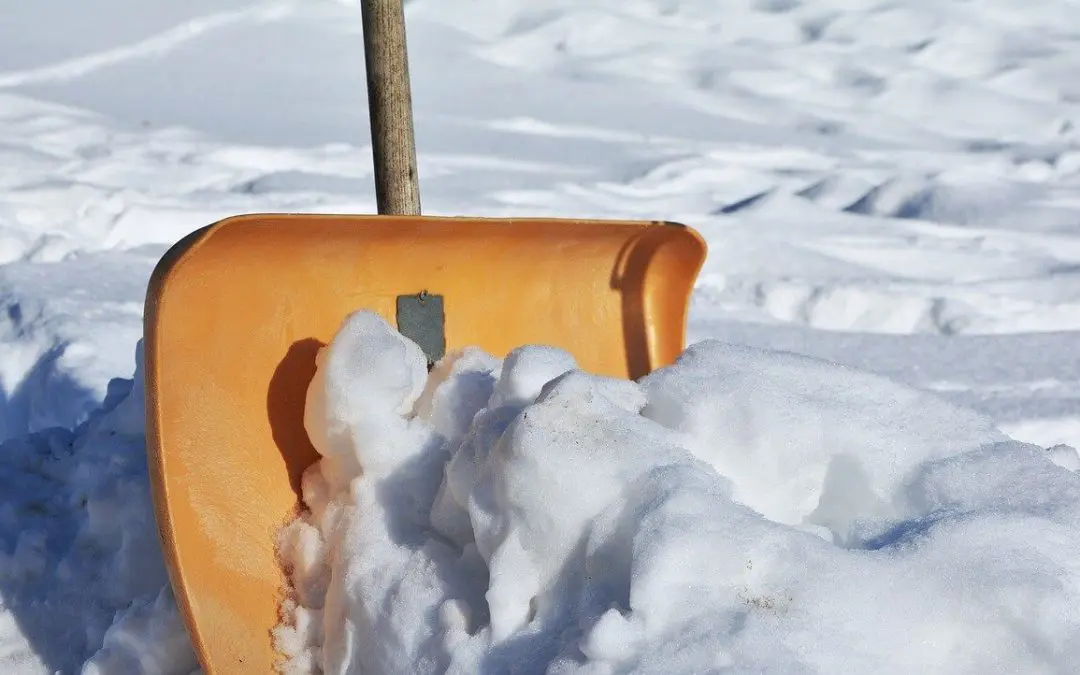
Snow removal is a necessary part of winter property ownership, but it must be approached with caution to avoid physical injury. When clearing your driveway or walkways, it is more effective to push the snow rather than lifting and throwing it. It is important to clear snow in stages rather than waiting for a storm to end, as multiple thin layers are much easier to remove than a single heavy, packed accumulation. It’s important to manage the walking surfaces around your home to prevent slips. Using sand or salt can provide necessary traction, but choose products that are safe for your specific type of pavement and for any pets that may walk on it. Proper management of snow and ice is a final, critical component of a comprehensive winter plan.
Frequently Asked Questions (FAQs)
What should I do if my pipes actually freeze?
If you turn on a faucet and only a trickle of water comes out, your pipes may be frozen. You should leave the faucet open and attempt to thaw the pipe using a hairdryer or a heat lamp, but never use an open flame. If you cannot locate the frozen section or if the pipe has already burst, shut off the main water valve immediately and call a licensed plumber to prevent further damage.
How often should I test my smoke and carbon monoxide detectors?
You should test all detectors in your home at least once a month by pressing the “test” button.
Is it better to use a snow blower or a shovel for winter safety?
A snow blower is often safer for individuals who may have heart conditions or back issues, as it does the heavy lifting for you.
American Dream Home Inspections offers professional home inspection services to Rhode Island and South and Central Massachusetts. Contact us to schedule an appointment for our services.

