
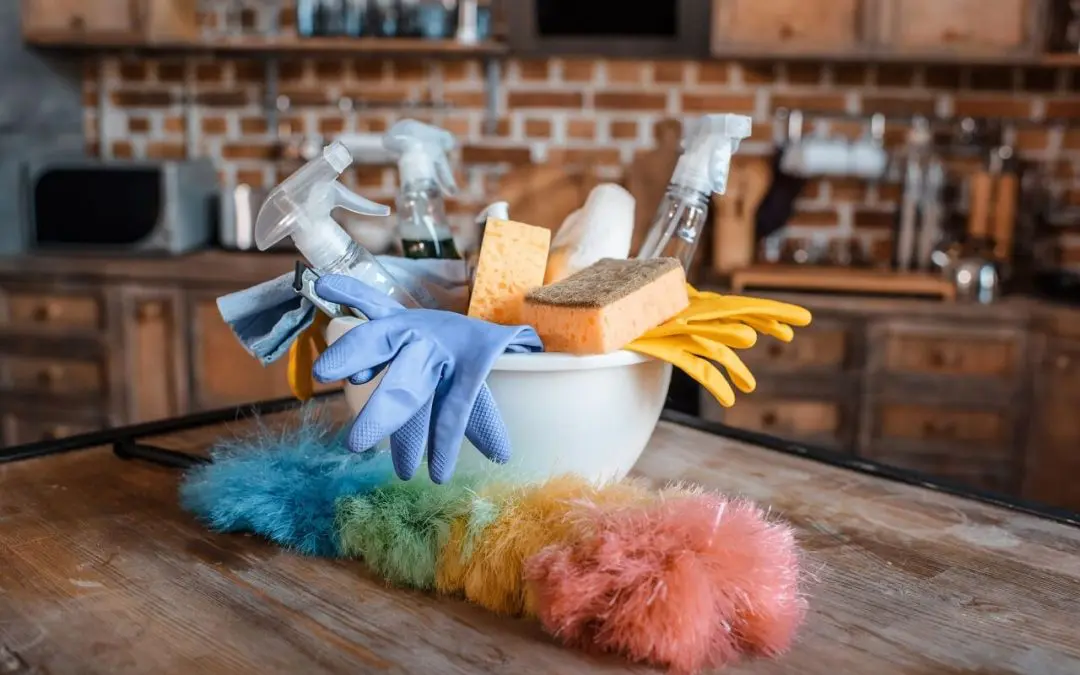
Most households are stocked with dozens of chemical products, without much thought given to how they’re stored, used, or disposed of. But the chemicals in your home deserve more attention than they typically get. Some are hazardous on their own; others become dangerous when combined or used in poorly ventilated spaces. A little knowledge goes a long way toward keeping your household safe without giving up the products you rely on every day.
Understanding the Chemicals in Your Home
Walk through any room in your house, and you’ll find chemicals in some form. The bathroom cabinet holds medications, disinfectants, and personal care products. The kitchen has cleaning agents, drain openers, and oven cleaners. The garage is often home to motor oil, antifreeze, fertilizers, and pesticides. Even the laundry room is a chemistry cabinet in disguise. None of this means your home is unsafe. It means that understanding what you’re working with is an important part of responsible homeownership. Labels exist for a reason, and taking a few minutes to read them could prevent accidents, dangerous reactions, and long-term exposure risks that most people never think to consider.
Safe Storage of Chemicals in Your Home
How you store the chemicals in your home matters as much as how you use them. Many household chemicals should be kept in their original containers with labels intact. Original packaging includes critical safety information, usage instructions, and first aid guidance that you don’t want to lose. Store chemicals in cool, dry locations away from direct sunlight and heat sources, which could degrade containers and, in some cases, trigger dangerous reactions. Keep them out of reach of children and pets and never store them near food, medications, or pet supplies. Flammable products like paint thinner should be stored away from ignition sources, including water heaters and furnaces.
The Hidden Danger of Mixing Household Chemicals
One of the most important things to understand about the chemicals in your home is that some combinations are genuinely hazardous. Bleach and ammonia produce toxic chloramine vapors. Bleach and vinegar create chlorine gas. Hydrogen peroxide and vinegar combine to form peracetic acid, which is corrosive to skin and airways. These aren’t exotic lab scenarios; they’re combinations that happen in everyday kitchens and bathrooms. The rule is simple: never mix cleaning products unless the label explicitly says it’s safe. Use one product at a time and rinse surfaces thoroughly before applying anything else.
Ventilation Makes a Bigger Difference Than You Think
Many household chemicals release fumes that irritate the respiratory system even at low concentrations, especially in enclosed spaces. Using cleaning sprays, paint, adhesives, or pesticides indoors without adequate ventilation is one of the most common ways homeowners unknowingly expose themselves to harm. Open windows and doors when using any chemical product indoors, and run exhaust fans in bathrooms and kitchens. For heavier-duty projects, consider wearing a respirator rated for chemical vapors rather than a standard dust mask. Fresh air is your simplest and most effective protection.
How to Dispose of Chemicals in Your Home Responsibly
Pouring chemicals down the drain or tossing them in the trash is a habit worth breaking. Many household chemicals, including paint, motor oil, pesticides, and certain cleaning products, are classified as hazardous waste and could contaminate water supplies and soil if they enter the regular waste stream. Most communities offer hazardous waste collection events or drop-off facilities where these products can be safely disposed of at no cost.
Frequently Asked Questions (FAQs)
What are the most dangerous chemicals commonly found in homes?
Some of the most hazardous include drain cleaners, oven cleaners, and toilet bowl cleaners, which often contain highly corrosive acids or bases. Pesticides, paint strippers, and products containing formaldehyde or ammonia also rank among the higher-risk chemicals in your home.
How should I store cleaning products safely around children?
Store all household chemicals in their original containers in locked or child-proof cabinets, well out of reach. Never transfer them to food or drink containers, and never leave them unattended during use. Even products marketed as “natural” can be harmful if ingested.
Is it safe to use multiple cleaning products on the same surface?
Not without caution. Many common chemicals react dangerously when combined, even when applied sequentially. Always rinse a surface thoroughly and let it dry before applying a different product. When in doubt, use one product at a time and ventilate the area well.
How do I know if a product in my home is considered hazardous?
Look for signal words on the label: “Danger,” “Warning,” and “Caution” indicate increasing levels of hazard. The product’s Safety Data Sheet (SDS), available from the manufacturer or online, gives a full breakdown of risks and safe handling procedures.
What should I do if someone is exposed to a household chemical?
Call Poison Control immediately at 1-800-222-1222 and have the product container on hand. For skin or eye exposure, flush with water for at least 15 minutes. For inhalation, move the person to fresh air right away. In a serious emergency, call 911.
American Dream Home Inspections offers professional home inspection services to Rhode Island and South and Central Massachusetts. Contact us to schedule an appointment for our services.