
Drafty windows are one of the most common and most costly comfort problems in any home. A window that allows outside air to infiltrate the living space isn’t just uncomfortable to sit near in winter; it’s actively working against the HVAC system trying to maintain the thermostat setpoint, forcing longer run times and higher energy consumption to compensate for what’s being lost. Drafts are also rarely a single isolated problem; when one window has failed caulk or weatherstripping, the others in the same age range usually aren’t far behind. Addressing drafty windows systematically rather than one at a time produces a more complete improvement and a more meaningful reduction in energy costs.
Finding Drafty Windows Before Any Repair Begins
Identifying exactly which windows are drafty and where air infiltration is occurring is the step that makes every subsequent repair targeted rather than guesswork. The simplest detection method is a hand check on a cold or windy day, moving a hand slowly around the perimeter of each window frame and sash and feeling for temperature differential or air movement. A stick of incense held near the window edges is more sensitive; the smoke will visibly deflect toward or away from any point where outside air is entering. For a definitive whole-home assessment, a professional blower door test identifies drafty windows and every other infiltration point in the building envelope simultaneously.
The Fixes That Work for Most Homes
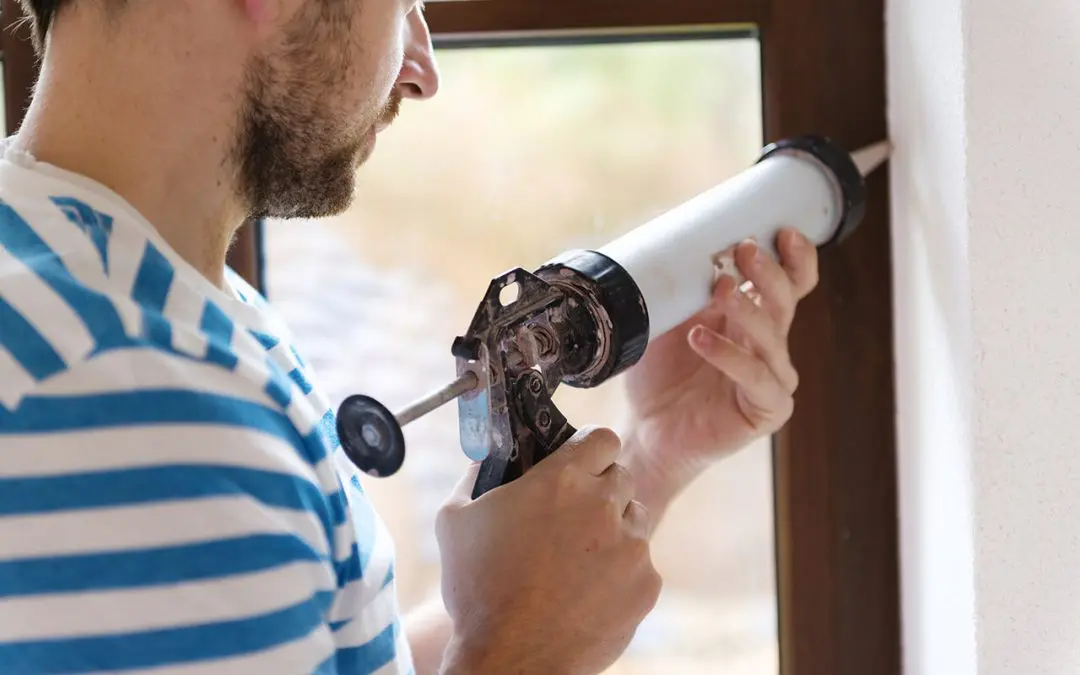
The most common cause of drafty windows in homes of any age is failed caulk at the window frame perimeter. Caulk degrades through UV exposure, temperature cycling, and normal building movement, eventually cracking and separating. Removing the old material completely, cleaning the surface, and applying fresh exterior caulk at the exterior and flexible caulk at the interior is the repair that addresses the most common infiltration pathway at the lowest cost. Weatherstripping failure is the problem most associated with the operable sash, the part that slides or swings open. The weatherstripping that seals the sash against the frame when closed compresses over time, hardens, and loses its ability to create an airtight seal. Replacing worn weatherstripping with V-strip, foam, or felt material appropriate to the window type restores the seal that caulk replacement alone can’t address.
When Drafty Windows Require More Than a Seal
Some drafty window conditions indicate that the window unit itself is the source of the problem. A double or triple-pane window with a failed seal between the panes, visible as fogging or a hazy appearance between the glass layers, has lost the inert gas fill that provides its insulating value. This isn’t repairable with caulk or weatherstripping; the glass unit needs to be replaced. Windows that are significantly warped, have frames visibly separated from the rough opening, or rattle regardless of fresh weatherstripping are the drafty windows that most warrant replacement rather than repair. The calculation that matters is whether cumulative repair investment on a fundamentally compromised window approaches the cost of a replacement unit that would solve the problem permanently.
Frequently Asked Questions (FAQs)
How do I know if my windows need repair or replacement?
Drafty windows losing air at the perimeter or sash-to-frame seal are repair candidates. Windows with warped frames, failed double-pane seals, or persistent rattling despite fresh weatherstripping are replacement candidates. Windows approaching or past 20 to 25 years of service with multiple failing components are generally better candidates for replacement than continued repair investment.
Can drafty windows be fixed with plastic window film kits?
Yes, interior window film kits reduce air infiltration and add a secondary insulating layer. They’re most appropriate as a seasonal measure for windows awaiting repair or replacement. They’re less appropriate as a permanent solution because they block ventilation access, degrade after one to two seasons, and don’t address the underlying cause.
What is the most effective weatherstripping for drafty windows?
V-strip or tension seal weatherstripping is the most durable option for sliding or double-hung sashes because it compresses under pressure and springs back to maintain contact over time. Foam tape is easier to install but compresses permanently and suits infrequently operated windows. For casement windows, a compression seal around the sash perimeter provides the most complete seal.
How much can fixing drafty windows reduce energy bills?
The EPA estimates that sealing air leaks can reduce heating and cooling costs by 10 to 20 percent. The payback period for caulk and weatherstripping repair is typically measured in months rather than years, given the low material cost.
Do new windows always fix draft problems?
New windows address conditions caused by the window unit itself, but not automatically at the rough opening if the installation doesn’t include proper flashing and fresh perimeter caulk. A replacement without complete perimeter air sealing could still be drafty at the edges.
American Dream Home Inspections offers professional home inspection services to Rhode Island and South and Central Massachusetts. Contact us to schedule an appointment for our services.